UNDER JEWISH LAW
The ninth commandment reads: Thou shalt not bear false witness against thy neighbor. (Exodus 20:16)
Lashon Hara (Evil Tongue)
This is the Halachic term for derogatory speech about another person. The harm
done by speech is even worse than the harm done by stealing or by cheating
someone financially: money lost can be repaid, but the harm done by speech can
never be repaired. For this reason, some sources indicate that there is no forgiveness
for Lashon Hara (disparaging speech).
The Torah specifically addresses improper speech: Thou shalt not go up and down as
a tale-bearer among thy people (Lev. 19:16), and ye shall not wrong one another
(Lev. 25:17, which according to tradition refers to wronging a person with speech).
One who tells disparaging things that are false is referred to as a ‘Motzi Shem Rah’,
that is, one who spreads a bad report. This is considered the lowest of the low by the
Talmud.
Leviticus 25:17 says, "You shall not wrong one another." This has traditionally been
interpreted as wronging a person with speech. It includes any statement that will
embarrass, insult or deceives a person, or causes a person emotional pain or distress.
Even on the Chabad.org website we see: The Torah says: "Distance yourself from
words of falsehood." (Exodus 23:7) This is the only sin regarding from which the
Torah warns us to "distance" ourselves. (Peleh Yo'etz, entry for Sheker)
In telling the truth we emulate our Creator regarding whom it says: "The seal of God
is truth." (Talmud Shabbat 55a, Sanhedrin 64a). The Sefer Chassidim writes that one
who speaks only truth can actually change destiny by decreeing something to
happen—and it will. (Sefer Chassidim s. 47).
The Talmud says that there are four groups of people that do not merit to greet the
Divine presence. One of them is liars. This punishment is (Solah 42a) measure for
measure: through lying they demonstrated that they sought to find favor in the eyes
of men and in doing so, ignored the presence of the omniscient Almighty. Therefore,
they do not merit to be in His presence. (Ben Yahuda, ibid).
The Talmud also says (Pessachim 113b) that there are three types of people that God
despises. One of them is those that say one thing, while having completely different
feelings in their heart.
On a very practical level, it is clear that when a person accustoms himself to
speaking truthfully, people come to trust him, as the verse says (Proverbs 12:19). "A
true tongue will be established forever." On the other hand, one who is a habitual liar
will not be trusted, as the verse continues: "But a lying tongue, just for a moment";
i.e., his believability is short lived.
neighbor. (Exodus 20:16)
Lashon Hara (Evil Tongue)
This is the Halachic term for derogatory speech about another person. The harm
done by speech is even worse than the harm done by stealing or by cheating
someone financially: money lost can be repaid, but the harm done by speech can
never be repaired. For this reason, some sources indicate that there is no forgiveness
for Lashon Hara (disparaging speech).
The Torah specifically addresses improper speech: Thou shalt not go up and down as
a tale-bearer among thy people (Lev. 19:16), and ye shall not wrong one another
(Lev. 25:17, which according to tradition refers to wronging a person with speech).
One who tells disparaging things that are false is referred to as a ‘Motzi Shem Rah’,
that is, one who spreads a bad report. This is considered the lowest of the low by the
Talmud.
Leviticus 25:17 says, "You shall not wrong one another." This has traditionally been
interpreted as wronging a person with speech. It includes any statement that will
embarrass, insult or deceives a person, or causes a person emotional pain or distress.
Even on the Chabad.org website we see: The Torah says: "Distance yourself from
words of falsehood." (Exodus 23:7) This is the only sin regarding from which the
Torah warns us to "distance" ourselves. (Peleh Yo'etz, entry for Sheker)
In telling the truth we emulate our Creator regarding whom it says: "The seal of God
is truth." (Talmud Shabbat 55a, Sanhedrin 64a). The Sefer Chassidim writes that one
who speaks only truth can actually change destiny by decreeing something to
happen—and it will. (Sefer Chassidim s. 47).
The Talmud says that there are four groups of people that do not merit to greet the
Divine presence. One of them is liars. This punishment is (Solah 42a) measure for
measure: through lying they demonstrated that they sought to find favor in the eyes
of men and in doing so, ignored the presence of the omniscient Almighty. Therefore,
they do not merit to be in His presence. (Ben Yahuda, ibid).
The Talmud also says (Pessachim 113b) that there are three types of people that God
despises. One of them is those that say one thing, while having completely different
feelings in their heart.
On a very practical level, it is clear that when a person accustoms himself to
speaking truthfully, people come to trust him, as the verse says (Proverbs 12:19). "A
true tongue will be established forever." On the other hand, one who is a habitual liar
will not be trusted, as the verse continues: "But a lying tongue, just for a moment";
i.e., his believability is short lived.
neighbor. (Exodus 20:16)
Lashon Hara (Evil Tongue)
This is the Halachic term for derogatory speech about another person. The harm
done by speech is even worse than the harm done by stealing or by cheating
someone financially: money lost can be repaid, but the harm done by speech can
never be repaired. For this reason, some sources indicate that there is no forgiveness
for Lashon Hara (disparaging speech).
The Torah specifically addresses improper speech: Thou shalt not go up and down as
a tale-bearer among thy people (Lev. 19:16), and ye shall not wrong one another
(Lev. 25:17, which according to tradition refers to wronging a person with speech).
One who tells disparaging things that are false is referred to as a ‘Motzi Shem Rah’,
that is, one who spreads a bad report. This is considered the lowest of the low by the
Talmud.
Leviticus 25:17 says, "You shall not wrong one another." This has traditionally been
interpreted as wronging a person with speech. It includes any statement that will
embarrass, insult or deceives a person, or causes a person emotional pain or distress.
Even on the Chabad.org website we see: The Torah says: "Distance yourself from
words of falsehood." (Exodus 23:7) This is the only sin regarding from which the
Torah warns us to "distance" ourselves. (Peleh Yo'etz, entry for Sheker)
In telling the truth we emulate our Creator regarding whom it says: "The seal of God
is truth." (Talmud Shabbat 55a, Sanhedrin 64a). The Sefer Chassidim writes that one
who speaks only truth can actually change destiny by decreeing something to
happen—and it will. (Sefer Chassidim s. 47).
The Talmud says that there are four groups of people that do not merit to greet the
Divine presence. One of them is liars. This punishment is (Solah 42a) measure for
measure: through lying they demonstrated that they sought to find favor in the eyes
of men and in doing so, ignored the presence of the omniscient Almighty. Therefore,
they do not merit to be in His presence. (Ben Yahuda, ibid).
The Talmud also says (Pessachim 113b) that there are three types of people that God
despises. One of them is those that say one thing, while having completely different
feelings in their heart.
On a very practical level, it is clear that when a person accustoms himself to
speaking truthfully, people come to trust him, as the verse says (Proverbs 12:19). "A
true tongue will be established forever." On the other hand, one who is a habitual liar
will not be trusted, as the verse continues: "But a lying tongue, just for a moment";
i.e., his believability is short lived.
Click on the BLUE links for more information:
Deposition - The deposition of Rabbi BenZion Friedman
David and Frances Sternberg - Tampering with a Witness & Insurance Fraud
Meet our Chabad Gedolim - Read about Chabad Gedolim around the world.
The Blog - Submit and read comments about all the subjects on this site.
Kansas Statutes Annotated - Kansas Law concerning Intimidation of a Witness & Perjury
Jewish Law - Lashon Hara & Motzi Shem Rah
Links - Informational sites about Chabad & Cults
Terms, Notices and Conditions
Contact Information
Webmaster@RabbiBenZionFriedman.com
Copyright 2013 ©
The second of the Ten Commandments is: Thou shalt have no other Gods before me.
(See Deuteronomy 5:7). Sounds easy doesn’t it, but in fact, many alleged Orthodox Jews
violate this commandment every day.
This commandment establishes the exclusive nature of the relationship between the
Nation of Israel and God. Idolatry is the paying of divine honor to any person or created
thing. In ancient times, worshiping of other deities was rampant. A person who
attempted to involve others in the worship of a false God was similarly subject to capital
punishment and was not to be spared even by a close relative (Deuteronomy 13 & 17).
According to the Mishnah: Whosoever denies idols is called a Jew. Whosoever
recognizes idols has denied the entire Torah. An entire tractate Avodah Zarah (strange
worship) details practical guidelines for interacting with surrounding peoples so as to
avoid practicing or even indirectly supporting such worship. Although Jews are
forbidden in general to mock at anything holy, it is meritorious to deride idols (Talmud
Megilah 13). In the Torah portion of Re’eh, the recurring phenomenon of the false
prophet. The Torah warned the people of Israel that there would be false prophets in
their future. It also warned them how dangerous and sinister such people are, because
of all of their charisma and attraction. Even if the false prophet gives signs and omens
to substantiate the prophecy that he is advancing, and those signs and omens apparently
become actual and real, nevertheless the Torah admonishes us “do not dare to succumb
to listen (and believe) in him.”
Do you have any of the below pictures on your wall or pay homage to any of the
below people?
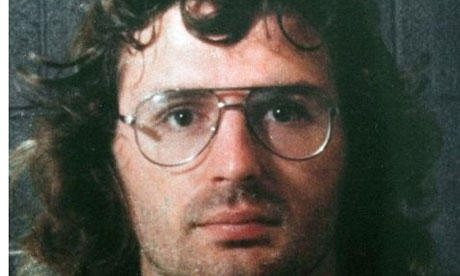
What about David Koresh?
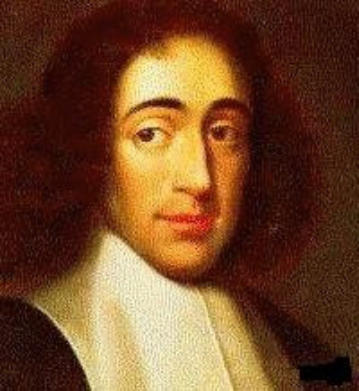
Perhaps Baruch Spinoza?
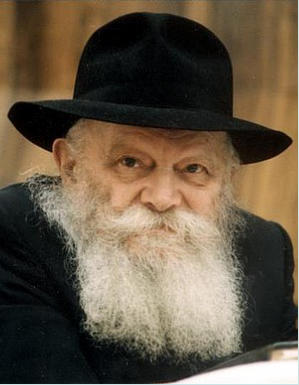
Rabbi Menachem Mendel Schneerson?
Do you have an artifact or good luck charm from any of the above people? Have you
written a letter or sent a fax to any of the above dead people asking them to help a sick
person, solve a family or financial problem, or for any type of prayer type issue? Have
you been to any of their grave-sites with the belief that your prayers would hold more
power because you are praying at their grave-site? You then are in violation of the
second of the ten commandments - worshiping a false God.
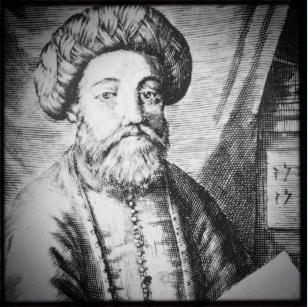
Sabbatai Zevi - Even to this day his followers are called ‘Donmeh’ and claim upwards
near 100,000 followers mainly based in Turkey. He proclaimed to be the Jewish Messiah
with many Jews, who still idolize him and pray daily to him.